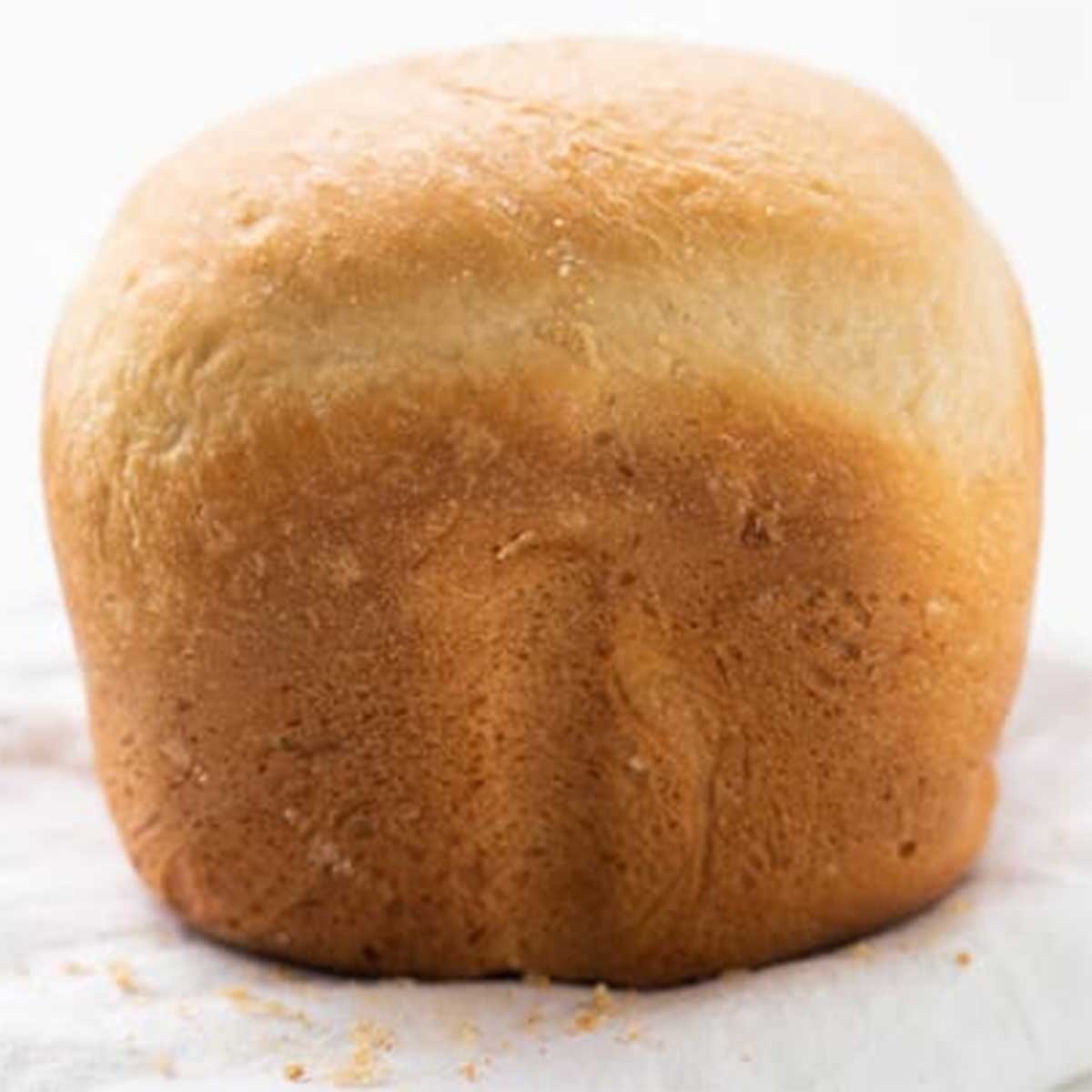
Effortless Bakery-Quality Italian Bread with Your Bread Machine
Imagine the aroma of freshly baked Italian bread wafting through your kitchen, its crust perfectly golden and crisp, the inside impossibly soft and chewy. Now, imagine achieving this artisanal quality with minimal effort, thanks to the humble yet mighty bread machine. For many home bakers, the thought of tackling yeast dough can be daunting, conjuring images of sticky hands, endless kneading, and the fear of a flat, dense disaster. But what if we told you that achieving truly spectacular, bakery-quality Italian bread at home is not only possible but remarkably easy? With your bread machine, that dream becomes a delicious reality.
Gone are the days of wrestling with dough, wondering if you've kneaded enough, or fearing you'll ruin the delicate process. The secret lies in letting your bread machine handle the most intimidating parts of bread making: the mixing, the kneading, and the crucial first rise. This transformative approach opens up a world of homemade bread possibilities, even for those who consider themselves "dough dummies." Our goal is to guide you to create the best fool-proof bread machine Italian bread, so delightful your family will think you secretly hired a professional baker.
The Effortless Secret: How Your Bread Machine Transforms Baking
For years, many home cooks, myself included, shied away from yeast breads. The complexity of dough, the delicate balance of ingredients, and the sheer physicality of kneading felt like a barrier to entry. We didn't inherit the magical "kneading genes" that some seem to possess. But here's the game-changer: the bread machine. This countertop hero completely bypasses the most anxiety-inducing steps in bread making, taking on the heavy lifting of mixing and kneading with unwavering precision.
Think about it: the moment the flour, water, yeast, and other ingredients are poured into the machine's pan, your work is nearly done for the initial stages. The machine diligently churns, stretches, and folds the dough, developing the gluten structure that is essential for a light, airy crumb and that signature chewy texture. It then maintains the perfect environment for the first rise, ensuring your dough doubles beautifully. This automation isn't just a convenience; it's a confidence builder. Once the machine has completed its cycle – having flawlessly executed the "scary, tricky, Lord-I-can't-breathe, I'm-ruining-this-right-before-my-very-own-eyes" kneading part – you're left with a perfectly proofed, pliable dough. From that point on, yeast dough is surprisingly forgiving, allowing even novice bakers to confidently shape and bake their way to incredible results. This truly makes fool-proof bread machine Italian bread a reality.
Crafting Culinary Perfection: The Hallmarks of Superior Italian Bread
So, what exactly defines the "best" bread machine Italian bread? It's a combination of textural mastery, authentic flavor, and consistent results. Through numerous trials and errors, sifting through countless recipes and wasting plenty of ingredients, dedicated home bakers have refined recipes to deliver a loaf that truly stands out. The ultimate goal is a bread that boasts a soft, even texture on the inside, contrasted with a satisfyingly chewy and crusty exterior. This isn't just about good bread; it's about *perfect* bread.
At its heart, truly great Italian bread relies on simple, quality ingredients: unbleached flour, a touch of milk for tenderness, and crucially, extra virgin olive oil. This isn't just any oil; the olive oil infuses the bread with a subtle, aromatic richness that is distinctly Italian and contributes significantly to the overall flavor profile. While you *could* technically use other vegetable oils, opting for a good quality extra virgin olive oil elevates the taste from good to truly exceptional, echoing the flavors you'd find in a traditional Italian bakery. The beauty of using your bread machine for this process is that it ensures every batch comes out consistently, delivering that desired softness, chewiness, and crust every single time.
Italian Bread Unveiled: Decoding the Delights and Differences
While often grouped together, Italian bread and French bread possess distinct characteristics that set them apart. Understanding these differences is key to appreciating the unique qualities of your bread machine Italian bread. Traditional French bread, like a baguette, is typically lean, meaning it contains no fat or sugar. This results in a very thin, super-crispy crust and an airy, open interior. It’s also often long and thin in shape. Italian bread, on the other hand, usually includes a small amount of fat (like olive oil) and sometimes a hint of sugar. This addition contributes to a softer, more evenly textured crumb, a slightly thinner yet delightfully chewy crust, and often results in a fatter, shorter loaf.
The presence of olive oil in Italian bread not only influences the texture but also plays a vital role in its signature flavor. While any vegetable oil can technically be substituted in a pinch, using good quality extra virgin olive oil is highly recommended to achieve that authentic, rich Italian taste. It’s a small detail that makes a big difference. For a deeper dive into these nuanced differences, check out our comprehensive guide: Italian vs. French Bread: Master the Perfect Machine Loaf.
Beyond its distinctive character, bread machine Italian bread offers incredible versatility. While delicious as a large, rustic loaf, the dough can easily be divided and shaped into four smaller loaves. These smaller versions are absolutely perfect for making individual sub rolls, ideal for hearty sandwiches, hoagies, or even quick garlic bread. Just follow your recipe, divide the dough into four equal sections after the first rise, shape them, and then bake for approximately 25-30 minutes, or until they reach a beautiful golden brown. This adaptability makes it an ideal accompaniment to a wide array of meals, from classic Italian dishes like lasagna, spaghetti and meatballs, or chicken parmigiana, to simply serving alongside soups, salads, or with a delicious olive oil dip.
Preserving Your Loaf: Storage, Freezing, and Beyond
Once you’ve experienced the joy of fresh, homemade bread machine Italian bread, you’ll want to ensure it stays as delicious as possible for as long as possible. Proper storage is key to maintaining its freshness and texture.
- Freshness Factor: An uncut loaf of Italian bread will generally stay fresh for 4-5 days when stored correctly. Once the bread has completely cooled, double-wrap it tightly in aluminum foil or plastic wrap. This dual layer helps to create an airtight seal, preventing moisture loss and keeping the crust from becoming stale too quickly. Store the wrapped loaf in a cabinet, bread box, or any other dark place where it won't be exposed to light, which can accelerate staling.
- Freezing Baked Bread: For longer preservation, Italian bread freezes beautifully. Once again, ensure the loaf is completely cool. Double-wrap it meticulously in foil or plastic wrap, ensuring no part of the bread is exposed to air, which can cause freezer burn. Store in the freezer for up to 3 months. When you're ready to enjoy, simply thaw at room temperature or, for a revived crust, warm it briefly in a preheated oven.
- Freezing Dough for Future Baking: Did you know you can even freeze the dough? This is a fantastic time-saver for meal prep! After your bread machine has completed its cycle and you've shaped your loaves (but *before* the second rise), place the shaped dough, uncovered, in the freezer. Let it freeze until firm – this usually takes just a few hours, not overnight. Once firm, remove the dough, double-wrap it tightly in foil or plastic wrap, and place it back in the freezer. When you're ready to bake, simply thaw the dough overnight in the refrigerator, allow it to come to room temperature and complete its second rise, then bake as directed. This means you can have a fresh, warm loaf of Italian bread on demand, anytime you wish.
Embracing these storage methods means you can enjoy the fruits of your bread machine’s labor for days or even months to come, making it an incredibly efficient and rewarding way to keep your kitchen stocked with delicious, homemade bread.
Conclusion
Creating bakery-quality Italian bread at home doesn't have to be a culinary challenge. With your bread machine, the intimidating steps of kneading and rising are effortlessly managed, leaving you with the satisfying task of shaping and baking. From its tender interior and chewy crust to its versatile applications – whether as a rustic loaf, sub rolls, or a perfect accompaniment to your favorite Italian dishes – this bread machine Italian bread will quickly become a cherished staple in your home. Say goodbye to store-bought loaves and hello to the incredible taste and aroma of freshly baked bread, made with ease and bursting with authentic flavor. It's time to unleash your inner baker and transform your kitchen into a personal Italian bakery, one perfect loaf at a time.
