Italian vs. French Bread: Master the Perfect Machine Loaf
For many home bakers, the thought of creating a bakery-quality loaf of Italian bread from scratch can be daunting. The intricate dance of kneading, rising, and shaping often feels reserved for seasoned professionals or those blessed with an inherited baking touch. But what if we told you that achieving a perfectly soft-on-the-inside, chewy-crusted Italian loaf is not only within your reach but can be a weekly, effortless ritual thanks to your bread machine? Forget the fear of dough; the era of spectacular homemade
bread machine italian bread is here, and we're about to delve into what makes it so special, especially when compared to its French cousin.
The Tale of Two Loaves: Italian Bread vs. French Bread
Before we dive into the magic of your bread machine, let's settle a common culinary query: what exactly distinguishes Italian bread from French bread? While both are iconic in their respective cultures and beloved worldwide, their characteristics, ingredients, and ultimately, their textures and flavors, are quite distinct. Understanding these differences is key to appreciating the unique charm of your homemade Italian loaf.
Traditionally, the primary differentiator lies in the inclusion of fat and sugar.
French bread, epitomized by the elegant baguette, typically adheres to a minimalist ingredient list: flour, water, yeast, and salt. This austere composition results in a loaf that is lean, with an incredibly crisp, often thicker crust, and an airy, open crumb. Its shape is characteristically long and thin, designed for tearing and sharing.
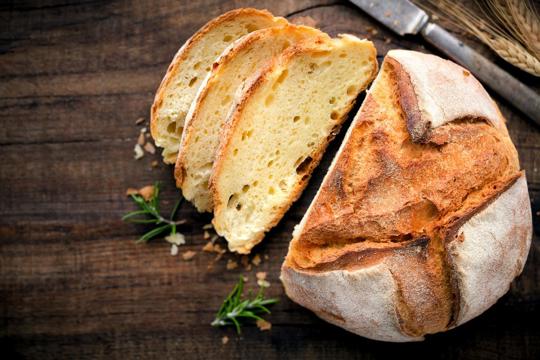
Italian bread, on the other hand, embraces a slightly richer profile. Ingredients often include olive oil (or another fat) and sometimes a touch of sugar. This addition contributes significantly to its signature qualities: a softer, more evenly textured interior, and a crust that is typically thinner and chewier rather than shatteringly crisp. Italian loaves tend to be shorter and fatter, ranging from rustic rounds to elongated, but still substantial, shapes. The fat also helps in keeping the bread fresh for longer and contributes to that wonderful, slightly tangy "Italian" flavor, especially when using quality extra virgin olive oil.
So, while a French baguette might be your go-to for a cheese board, the robust nature of Italian bread makes it a phenomenal companion for hearty stews, rich pasta dishes, or simply for dipping into seasoned olive oil. When you aim to bake
bread machine italian bread, you're aiming for that comforting, versatile loaf that stands up to any meal.
Unlocking Bakery Quality with Your Bread Machine
For years, the mere mention of handling yeast dough could send shivers down the spine of even an enthusiastic home cook. The fear of improper kneading, insufficient rise, or a dense, brick-like outcome was real. This is precisely where the bread machine transforms from a kitchen gadget into an indispensable ally, especially for those seeking to master authentic Italian bread.
The beauty of the bread machine lies in its ability to take over the most intimidating part of bread making: the mixing and kneading. This automated process ensures consistent dough development, activating the gluten strands perfectly without you having to touch a sticky mess or wonder if you're kneading correctly. For many, like myself, who didn't inherit the "kneading genes," this is a game-changer. It frees you from the meticulous, often messy, initial stages, allowing you to focus on the enjoyable part – shaping and baking.
Once the bread machine has done its magic, performing the initial mix and the crucial first rise, the dough transforms into a pliable, forgiving medium. This is where you, the baker, step in to unleash your creativity. Shaping the dough into traditional Italian loaves, creating smaller sub rolls, or even crafting braided masterpieces becomes a simple, satisfying task. The fear of "ruining" the dough after it's been properly developed by the machine virtually vanishes. This empowerment makes baking
bread machine italian bread not just a task, but a genuinely rewarding experience that yields consistent, delicious results. It's truly effortless to achieve bakery-quality bread right in your own kitchen; for more tips on maximizing your machine's potential, check out our guide on
Effortless Bakery-Quality Italian Bread with Your Bread Machine.
Crafting Your Perfect Loaf: Essential Tips & FAQs
Achieving that "perfect" loaf of
bread machine italian bread often comes down to understanding a few key elements and being willing to experiment slightly. We've done the trial and error so you don't have to, distilling years of baking into actionable advice.
The Importance of Oil Selection
While technically you *can* use any vegetable oil in your Italian bread, the choice of oil significantly impacts the final flavor profile.
Extra virgin olive oil is not just a fat; it's a flavor enhancer. Its distinct fruity, peppery notes are integral to that authentic Italian taste. If you're aiming for true Italian character, stick with EVOO. If dietary restrictions or pantry limitations necessitate an alternative, a neutral vegetable oil will work, but be aware the bread will lose some of its characteristic Italian essence. While some might wonder about melted butter, it introduces a different flavor profile entirely and hasn't been widely tested in traditional Italian bread recipes.
Shaping Your Italian Loaves
The versatility of bread machine dough means you're not confined to one shape. While two large loaves are standard, you can easily adapt the recipe to create smaller, individual portions.
- Sub Rolls: To make fantastic sub rolls, simply divide the dough into four equal sections after the first rise. Shape each section into an elongated roll, and bake for approximately 25-30 minutes, or until beautifully golden brown. These are perfect for sandwiches, garlic bread, or mini-pizzas.
- Rustic Rounds: For a more rustic, round Italian loaf, simply shape the dough into two circular forms. A slight slash on the top can add visual appeal and help with expansion.
- Braided Bread: Feeling adventurous? Divide each large portion into three smaller strands and braid them before baking for an impressive presentation.
Storage for Maximum Freshness
Homemade bread, especially one without commercial preservatives, is best enjoyed fresh. However, proper storage can extend its life:
- Uncut Loaves: Once completely cool (this is crucial to prevent condensation and sogginess), double-wrap your uncut loaf tightly in foil or plastic wrap. Store it in a cool, dark place like a bread box or cabinet. It will stay fresh for 4-5 days.
- Cut Loaves: Once cut, bread tends to dry out faster. Store cut ends facing down, or cover the cut surface with plastic wrap before wrapping the whole loaf.
Freezing for Future Enjoyment
Both baked bread and dough can be frozen, making it easy to always have fresh Italian bread on hand.
- Freezing Baked Bread: Allow the baked loaves to cool completely. Double-wrap them securely in foil or plastic wrap, then place them in a freezer-safe bag. They can be frozen for up to 3 months. Thaw at room temperature and refresh in a warm oven for a few minutes for that fresh-baked taste.
- Freezing Dough: This is a fantastic option for meal prep! As soon as you've shaped your loaves but before the second rise, place them uncovered in the freezer until firm (usually a few hours, not overnight). Once firm, double-wrap and freeze. When ready to bake, thaw the dough in the refrigerator overnight, then let it come to room temperature and proof (rise) until doubled before baking as usual. This method offers incredible convenience, allowing you to bake fresh on demand, as highlighted in our article Fool-Proof Bread Machine Italian Bread: Easy, Crusty & Delicious.
Beyond the Basics: Enhancing Your Loaf
*
Water Quality: Use filtered water if your tap water has a strong taste or high chlorine content, as this can affect yeast activity and flavor.
*
Flour Power: While all-purpose flour works, bread flour with its higher protein content will yield a chewier, more structured crumb, characteristic of good Italian bread.
*
Yeast Check: Always ensure your yeast is active. If your bread isn't rising, dormant yeast is often the culprit. A quick test in warm water with a pinch of sugar can confirm its vitality.
The Culinary Versatility of Your Homemade Italian Bread
Once you’ve experienced the joy of pulling a warm, aromatic loaf of
bread machine italian bread from your oven, you’ll discover its incredible versatility. It’s far more than just a side dish.
- Classic Italian Pairings: Naturally, it’s a perfect partner for Italian staples like lasagna, spaghetti and meatballs, chicken parmigiana, or a hearty minestrone soup. Its sturdy crumb is excellent for soaking up rich sauces.
- Appetizers & Snacks: Slice it thick for bruschetta, toast it for crostini, or simply serve it with a high-quality balsamic vinegar and olive oil for dipping.
- Sandwiches & Subs: Those smaller sub rolls are ideal for creating gourmet sandwiches, from classic deli meats and cheeses to creative vegetarian fillings.
- Breakfast & Brunch: Don't overlook it for breakfast! Toasted with butter and jam, or even as the base for a savory avocado toast, it's a delightful start to the day.
The possibilities are endless, and each bite will remind you of the satisfaction of creating something truly special with your own hands (and your trusty bread machine!).
Conclusion
The journey to baking homemade Italian bread doesn't have to be fraught with anxiety and failed attempts. Thanks to the unassuming efficiency of the bread machine, achieving that coveted soft-on-the-inside, crusty-on-the-outside Italian loaf is now an accessible and enjoyable endeavor for anyone. By understanding the subtle yet significant differences between Italian and French bread, embracing the hands-off convenience of your machine, and following a few practical tips, you can consistently produce bakery-quality
bread machine italian bread that will impress family and friends alike. So go ahead, ditch the store-bought loaves and experience the unparalleled taste and aroma of fresh, homemade Italian bread – your kitchen (and your palate) will thank you.